
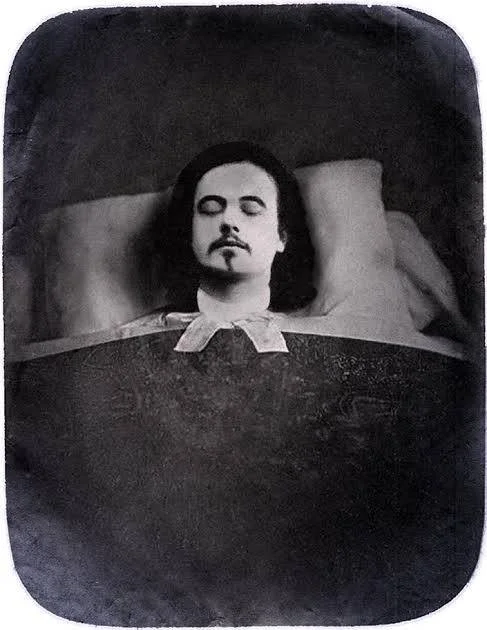
Alfred Jarry post mortem (1907) Collège de ‘Pataphysique
’Pataphysics, an ‘imaginary science’, was developed in the late nineteenth century by the French writer, poet, puppeteer, and artist Alfred Jarry (1873–1907). Emerging from a resistance to rigid and unpoetic systems of knowledge, it proposes a mode of thinking that celebrates exceptions, outliers, accidents, and the role of imagination in shaping how existence is perceived.
ORIGINS
The foundations of ’Pataphysics can be traced to Jarry’s early experiences as a schoolboy, where he and his classmates established the philosophy in response to the rigidity of their buffoon like teacher, Hébert. It is important to stress that ‘Pataphysics does not reject science, but instead exploits its limitations, treating it as something that can be diverted, misread, and reconfigured.
Rather than opposing rational systems, ’Pataphysics operates by allowing them to deviate from their expected function, producing unexpected and often illogical outcomes
It is a ‘science’ concerned not with general laws, but with the exceptional and the particular. It examines the accidental and the singular, proposing that what is often dismissed as an unwanted anomaly is the moment of emancipating discovery. In this respect, ’Pataphysics constructs a parallel understanding of the world, one that exists in tension with established systems of knowledge.
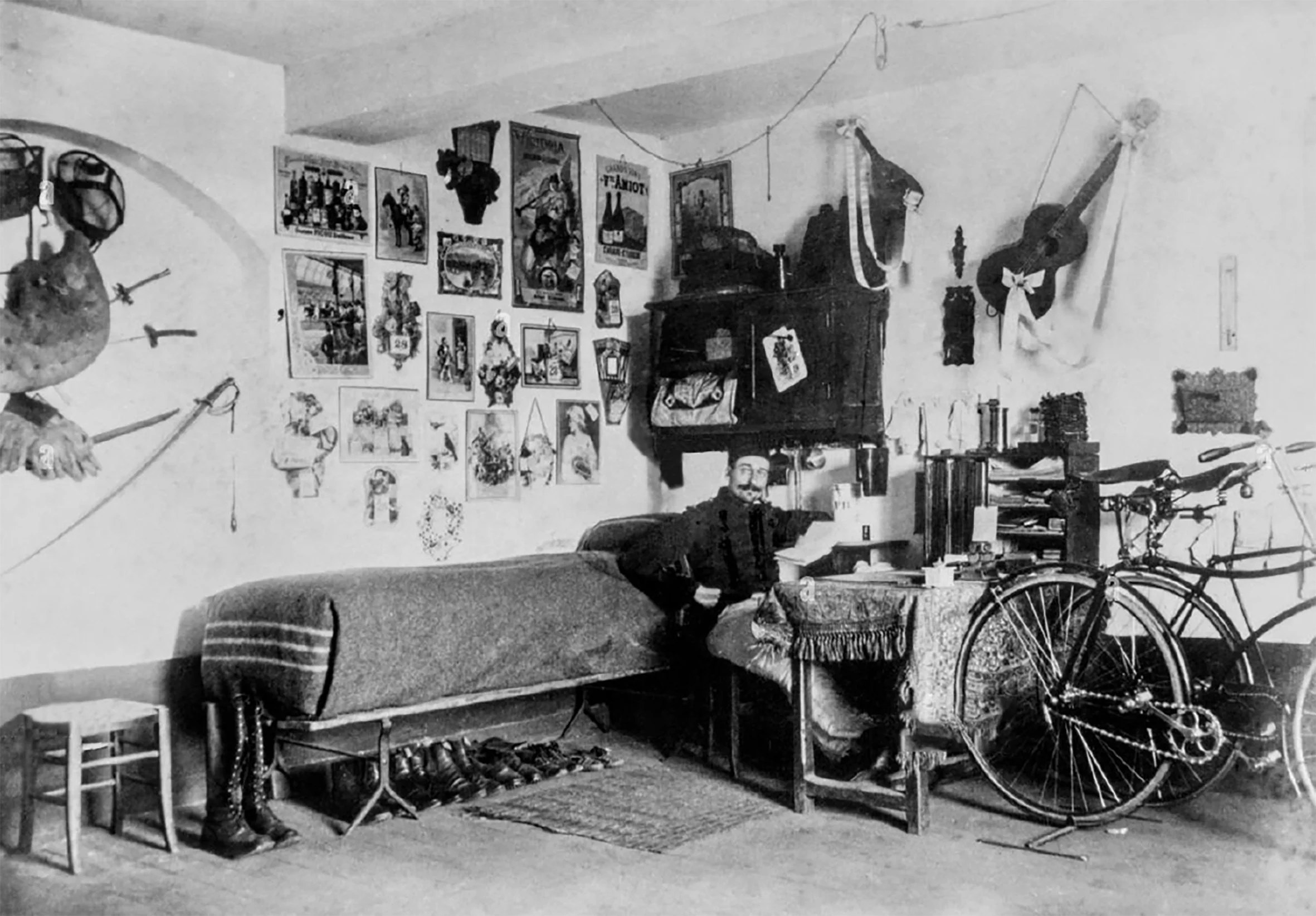
Jarry in his home (1899) Collège de ‘Pataphysique
INFLUENCE AND DIRECTION
As ’Pataphysical thinking developed the philosophy influenced a range of avant-garde art and literary movements of the early 20th century. A recurring element across these works was the figure of Ubu, a central symbol within ’Pataphysical discourse.
The character originated from Jarry’s schoolboy experiences, with the figure of Ubu being the cartoonish parody of their teacher, Hébert. Through poems, performances, and stories, Père Ubu stood as an absurd and grotesque figure used to critique the rigid systems of thought
The character was used in the play Ubu Roi (1896), which became a defining moment in early avant-garde theatre. Its entirely destabilised narrative and confrontational imagery challenged the expectations of its audience, establishing Jarry as an influential figure within emerging experimental practices.
People of note who utilised and explored the ‘Pataphyscial figure of Ubu are the artists Marcel Duchamp, Pablo Picasso, Juan Miro, Max Ernst. Another important contributor to the explorations of Ubu was the work of primontant 20th century architect Le Corbusier. All of these practitioners utilised Ubu as a mechanism for free exploration, allowing them to decouple from creative restraint.
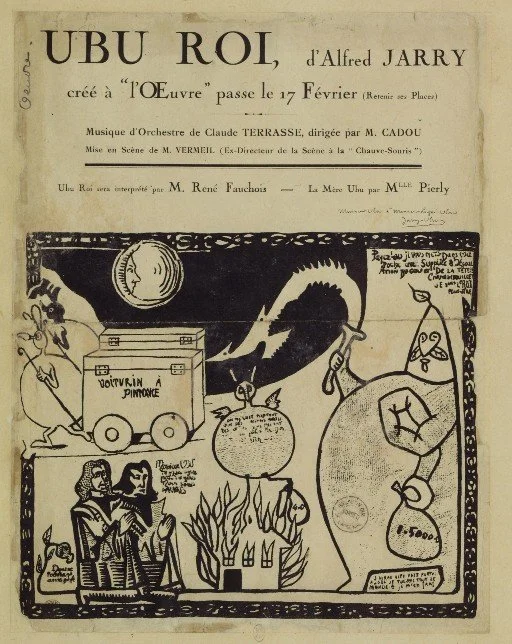
Veriatble portrait de Monfieur Ubu (1896), Alfred Jarry
‘PATAPHYSICAL PRACTICE
‘Pataphysical practice is not defined by a fixed method, but by an attitude toward making. Processes unfold through misinterpretation, estimation, and deviation, allowing systems to be reconfigured rather than followed. Outcomes are not predetermined, but emerge through the act of translation.
As a result, ’Pataphysics offers a way of thinking and drawing that resists closure. It does not seek to resolve visual contradiction, but to inhabit it, allowing uncertainty, ambiguity, and the implausible to become generative forces. As a result, it is not simply a philosophy, but a mode of practice. One that enables each act of drawing to generate an exception or anomaly.
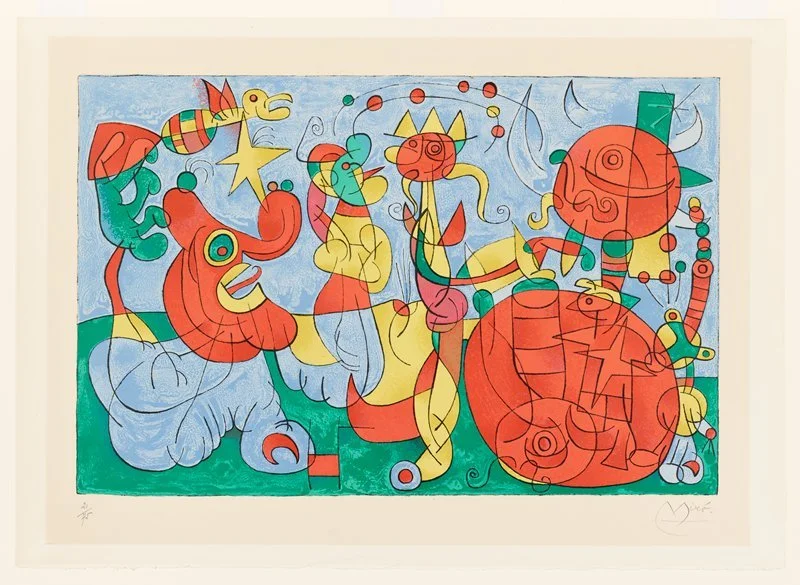
Chez le Roi de Pologne, plate III from Ubu Roi (1966), Joan Miró
METHOD vs ANTI-METHOD
The work found on this website is a response to these concepts, exploring and navigating the constant conflicts that ‘Pataphysical practice creates. It accepts failure as the central mechanism of drawing, and allows it to collide with the rational language of axonometry and isometry. What emerges is a way of making that creates projects which were entirely inconceivable before ink as put to paper.
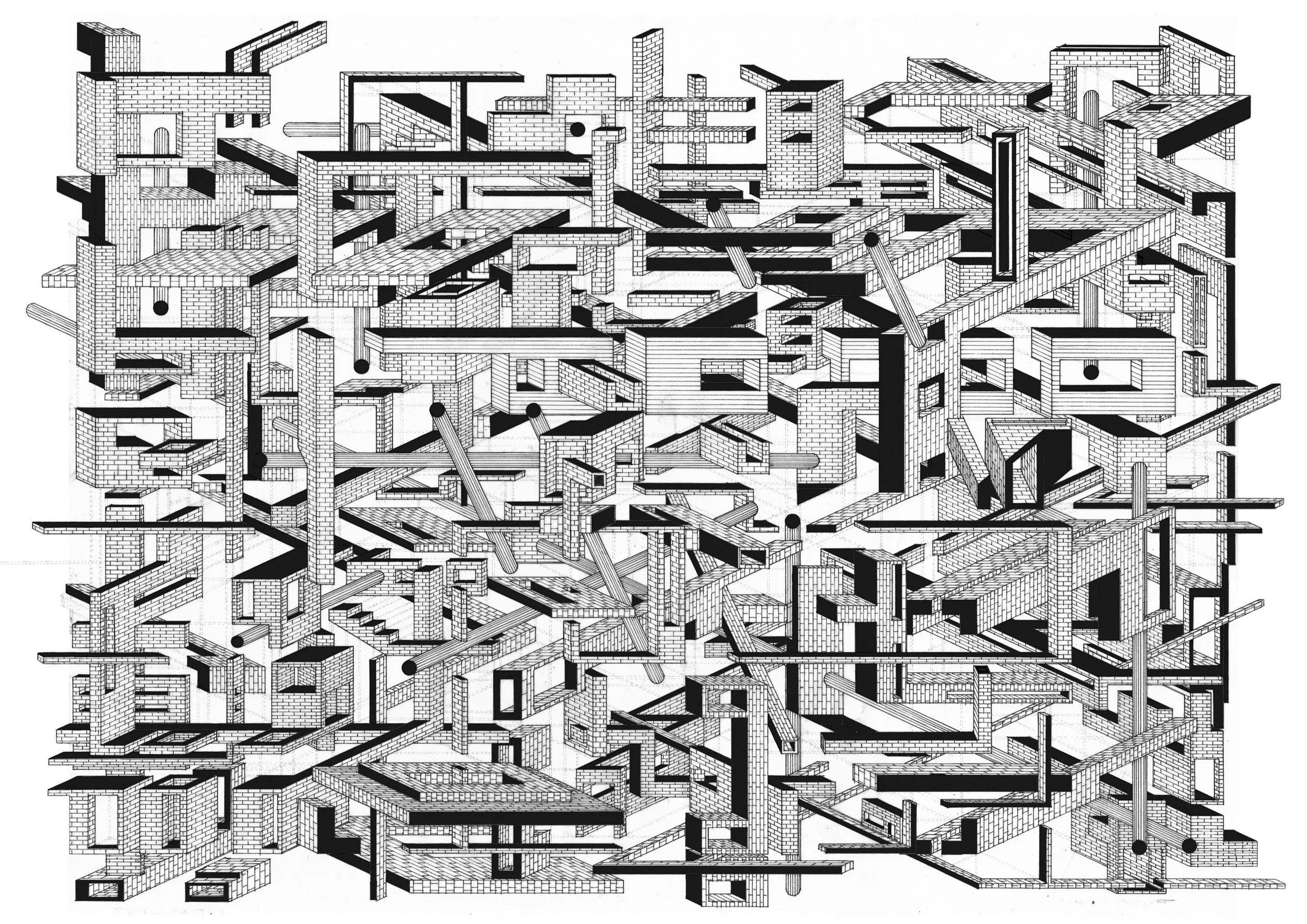
Untitled (2021), David Boyd
The drawings are not intended to act as ‘proof’ that ‘‘Pataphysics is the most important or generative method (or anti-method) that is on offer to a maker. Instead, the drawings are presented as neutral offerings to viewer in the hope that their own translations of the drawings are at the forefront of the embodied process of looking.
Further discussion about the processes involved in the making of these drawings is available here:
